Editorial Standards
There is a quiet discipline behind how this journal works. Every article that appears on Darveno has passed through a documented process of source identification, contextual adaptation, professional review, and factual verification.
This page describes that process in detail. It is not a statement of aspiration — it is a record of how articles are actually made and maintained on this journal.
Six-Stage Publication Cycle
Research Identification
Each article topic begins with a literature search across published nutritional science and movement research databases. The search window is limited to peer-reviewed publications from the past five years, with exceptions for foundational studies with sustained citation records.
A minimum of three independent sources are required before a topic proceeds to drafting. Topics where fewer than three credible sources exist are deferred until sufficient research has accumulated.
Contextual Adaptation
Research findings are adapted to the specific conditions of urban Indonesian life before drafting begins. This means accounting for local food availability, climate considerations, typical commuting patterns, and the physical environment in which most Darveno readers live and move.
Guidance developed for temperate climates is not assumed to transfer directly. Hydration, exertion intensity, and seasonal variation are all adjusted for equatorial urban conditions.
Draft Preparation
The editorial team prepares a draft incorporating the adapted research, structured around the Darveno editorial register: direct, unhurried, without performance-marketing language. Claims are stated with their evidential basis made visible in the text or reference section.
Speculative content — guidance based on emerging but not yet robust evidence — is clearly labelled as such, with an explanation of why the editorial team considers it worth including at that stage.
Professional Review
Drafts are reviewed by the journal's qualified nutrition advisor and, for movement-related content, the movement specialist. Reviewers assess factual accuracy, source quality, contextual appropriateness, and the absence of misleading implication.
Reviewer notes are archived alongside the published article. Where a reviewer recommends substantive changes, a revised draft is circulated before publication proceeds.
Publication
Approved articles are published with a publication date, a subject category, and a reference list. Articles covering nutritional supplements include a sourcing note and an ingredient role description using the vocabulary approved by the journal's nutrition advisor.
The publication schedule operates on a fortnightly cycle, with shorter reference pieces published more frequently as they are completed.
Annual Revision Cycle
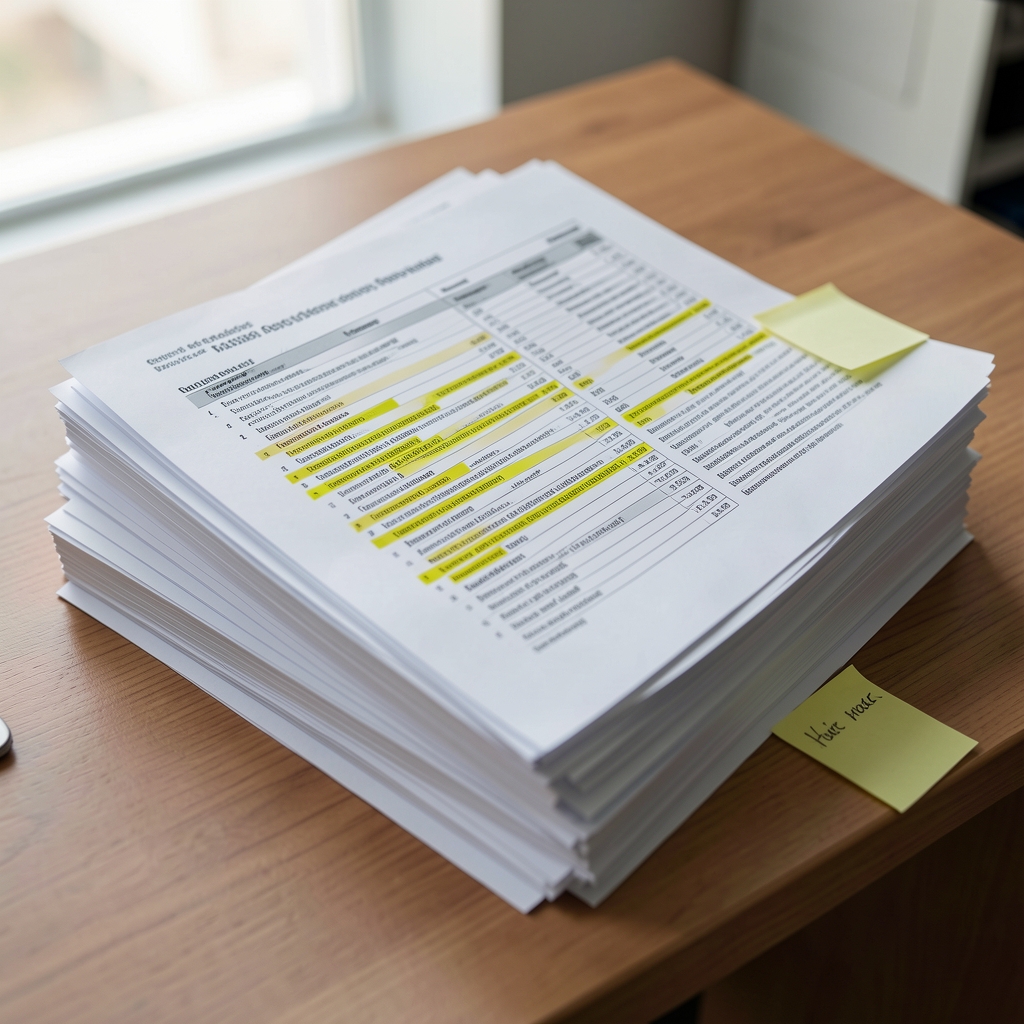
All published articles are revisited 12 months after their original publication date. Revisions assess whether new research has been published that materially changes the guidance, whether contextual factors in Indonesia have shifted, and whether any terminology should be updated.
Revised articles carry both the original publication date and the most recent revision date. A brief summary of changes is appended at the foot of the article.
What Counts as a Source
Darveno operates a tiered source classification. The tier determines how a source can be used in an article and what language is appropriate to describe its contribution to a claim.
Tier 1 sources (peer-reviewed, published in established nutritional or exercise science journals) may be cited directly. Tier 2 sources (qualified professional observations, documented industry standards) may supplement Tier 1 but may not stand alone for primary claims. Tier 3 (journalistic, anecdotal, brand-produced) are used only for contextual illustration, never as evidence.
Peer-reviewed publications in established nutritional, exercise science, or related life science journals. Used as primary evidence for all substantive claims.
Documented observations from qualified nutrition and movement professionals, established industry quality standards, and systematic review organisations. Used to supplement primary sources.
Journalistic sources, brand-produced materials, and anecdotal accounts. Never used as evidence. May be referenced for contextual illustration only, with source type disclosed.
Supplier and Batch Verification
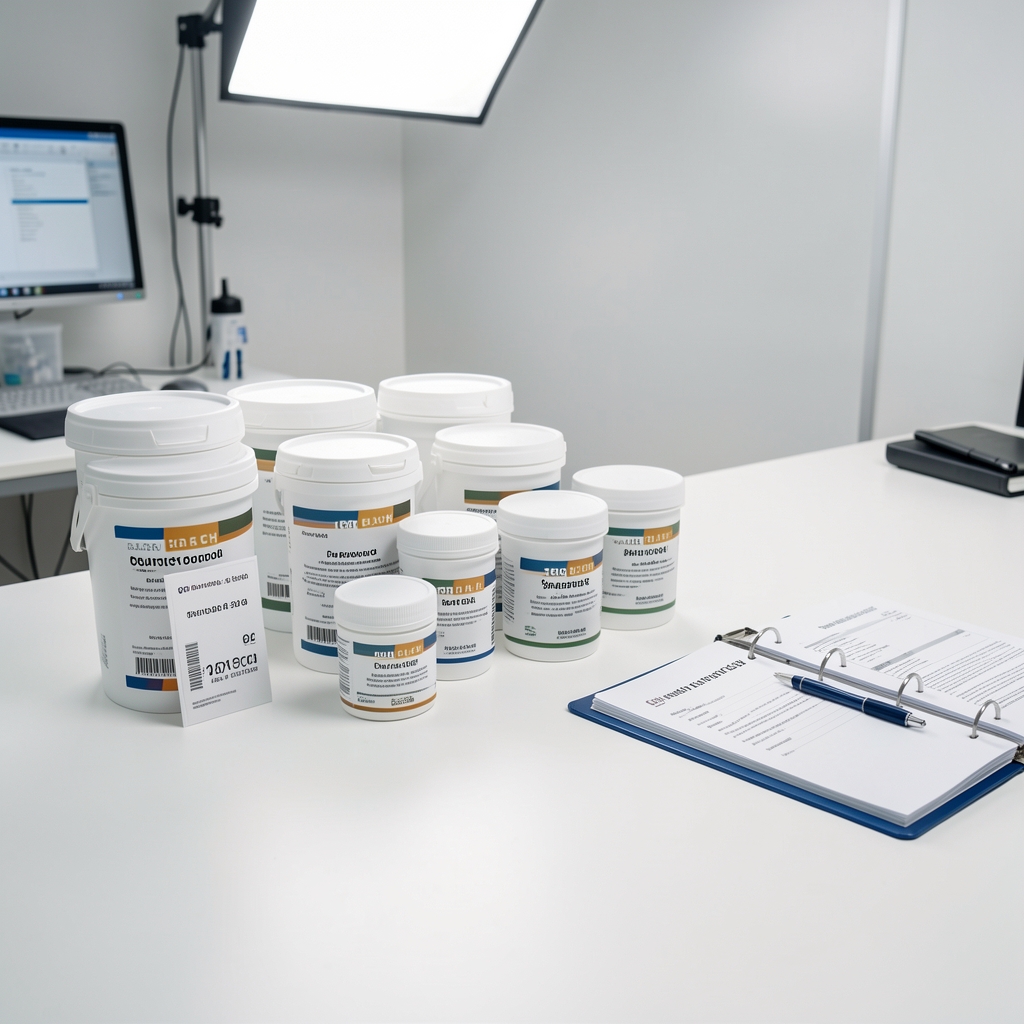
Where Darveno references nutritional supplements in its content, active ingredients are sourced from documented suppliers, with each batch accompanied by a certificate of composition. Sourcing prioritises suppliers whose facilities maintain food-grade processing standards.
Ingredient profiles referenced in journal articles are selected based on published nutritional research and undergo independent review for quality and labelling accuracy before being included in editorial content.
Darveno is an independent wellness resource focused on everyday nutrition and active lifestyle practices for men. The content is not affiliated with any governmental or institutional body.
From Archive to Publication


Darveno is an independent wellness resource focused on everyday nutrition and active lifestyle practices for men. The content is not affiliated with any governmental or institutional body.
We recommend speaking with a qualified wellness or nutrition professional before introducing any supplement to your daily routine, particularly if you have specific dietary requirements.